The Rich History of our Public Lands
When we think of the United States, images of sprawling national parks, magnificent forests, and vast wilderness often come to mind. These natural treasures, accessible to all, are the result of a long and fascinating history of public lands in the United States. From the early days of settlement to the present, public lands have played a crucial role in preserving the nation's natural beauty and providing recreational opportunities for generations to come. In this post, we will delve into the history of public lands in the US and explore the key milestones and individuals who have shaped their legacy.
The Birth of the Public Domain: The concept of public lands in the United States can be traced back to the country's earliest days. With the passage of the Land Ordinance of 1785 and the Northwest Ordinance of 1787, the federal government established a system for surveying and dividing western lands. These laws set aside large tracts of land to be sold or given to settlers, but they also reserved sections for public use, including education and the support of public institutions. This marked the birth of the "public domain" and laid the foundation for future public land policies.
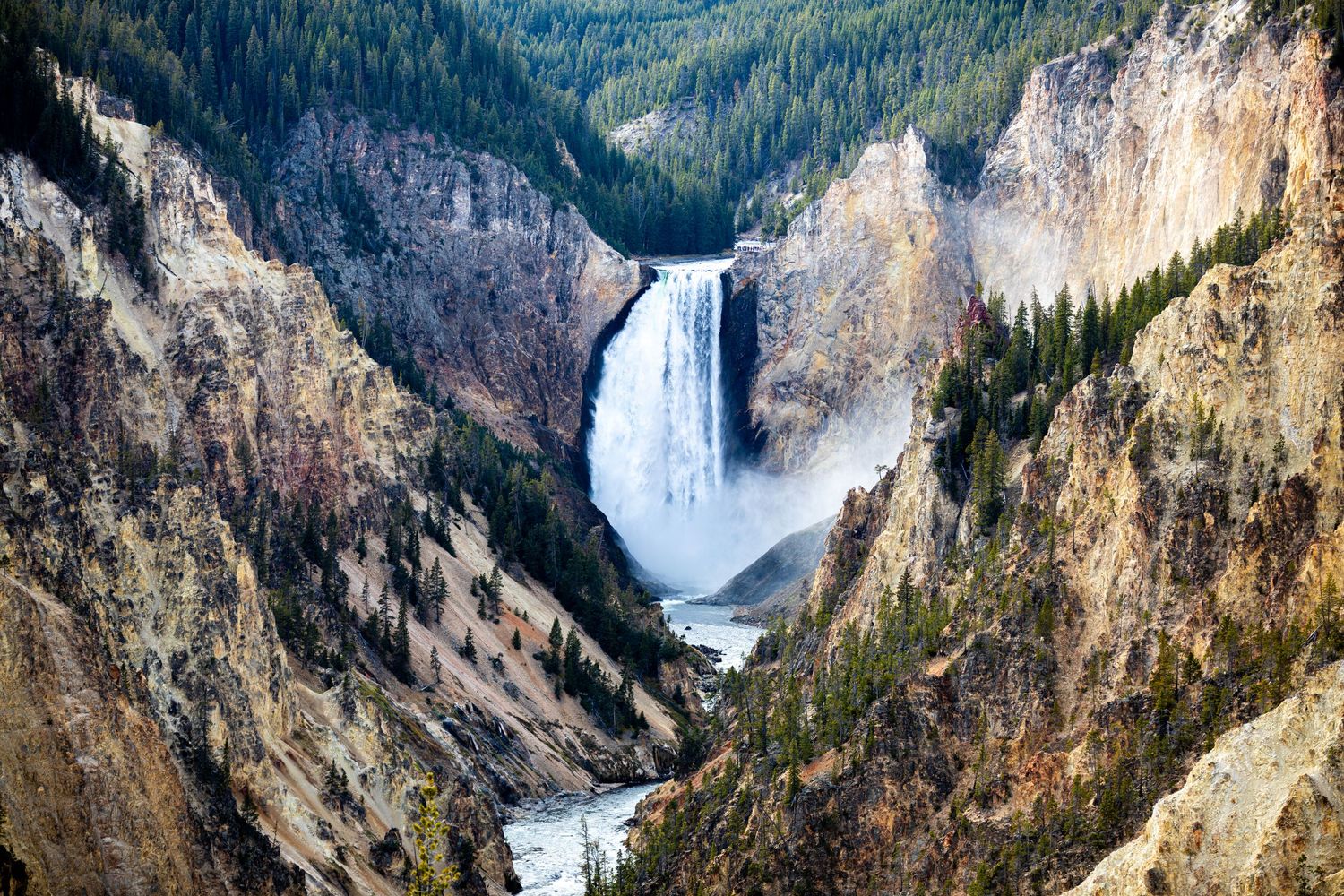
The Preservation Movement: As the nation expanded westward, concerns about the preservation of natural resources and the need for public lands gained prominence. Influential figures like George Catlin and Henry David Thoreau advocated for the preservation of wilderness areas and the importance of connecting people with nature. Their writings and artworks sparked public interest in the protection of landscapes, leading to the establishment of the world's first national park, Yellowstone, in 1872.
The Homestead Act and the Conservation Movement: In the late 19th century, the Homestead Act of 1862 further shaped the public lands landscape in the US. This act allowed settlers to claim up to 160 acres of public land for a small fee, provided they lived on and improved the land. While it facilitated westward expansion and the development of agriculture, it also raised concerns about the depletion of natural resources and the need for conservation. Influential figures such as John Muir and President Theodore Roosevelt championed the conservation movement, leading to the establishment of national forests, wildlife refuges, and other protected areas.
The Modern Era of Public Lands: The 20th century witnessed significant strides in the management and preservation of public lands. The creation of the National Park Service in 1916 marked a milestone in the centralization of park management, with a focus on conservation, education, and recreation. The establishment of the Bureau of Land Management (BLM) in 1946 brought under one agency the responsibility of overseeing the public lands not designated for specific purposes, such as national parks or forests.
Expanding Access and Ensuring Conservation: Over the years, public lands have continued to evolve, balancing the need for public access and recreational opportunities with the imperative of conservation. The passage of key legislation, such as the Wilderness Act of 1964, the Wild and Scenic Rivers Act of 1968, and the Endangered Species Act of 1973, helped protect fragile ecosystems, endangered species, and preserve pristine landscapes for future generations.
The history of public lands in the United States is a testament to the nation's commitment to preserving its natural heritage and providing opportunities for all to enjoy the great outdoors. From the establishment of the public domain to the formation of national parks, forests, and wildlife refuges, public lands represent a shared resource that transcends individual ownership and fosters a sense of stewardship. As we continue into the future, it is vital to uphold the principles that have shaped public lands, ensuring their protection, accessibility, and conservation for the benefit of both current and future generations.