10 Must-Visit National Parks for Photographers
As a Naturalist and photographer, I’m always in awe of the incredible landscapes and wildlife our parks have to offer. The sheer diversity of terrain, climate, and flora and fauna makes each park a unique experience for photographers. Whether you’re an experienced photographer or just starting out, these national parks offer some of the most breathtaking scenery and photo opportunities on the planet. Below are ten must-visit parks that will inspire your photography.

1. Yellowstone National Park (Wyoming, Montana, Idaho)
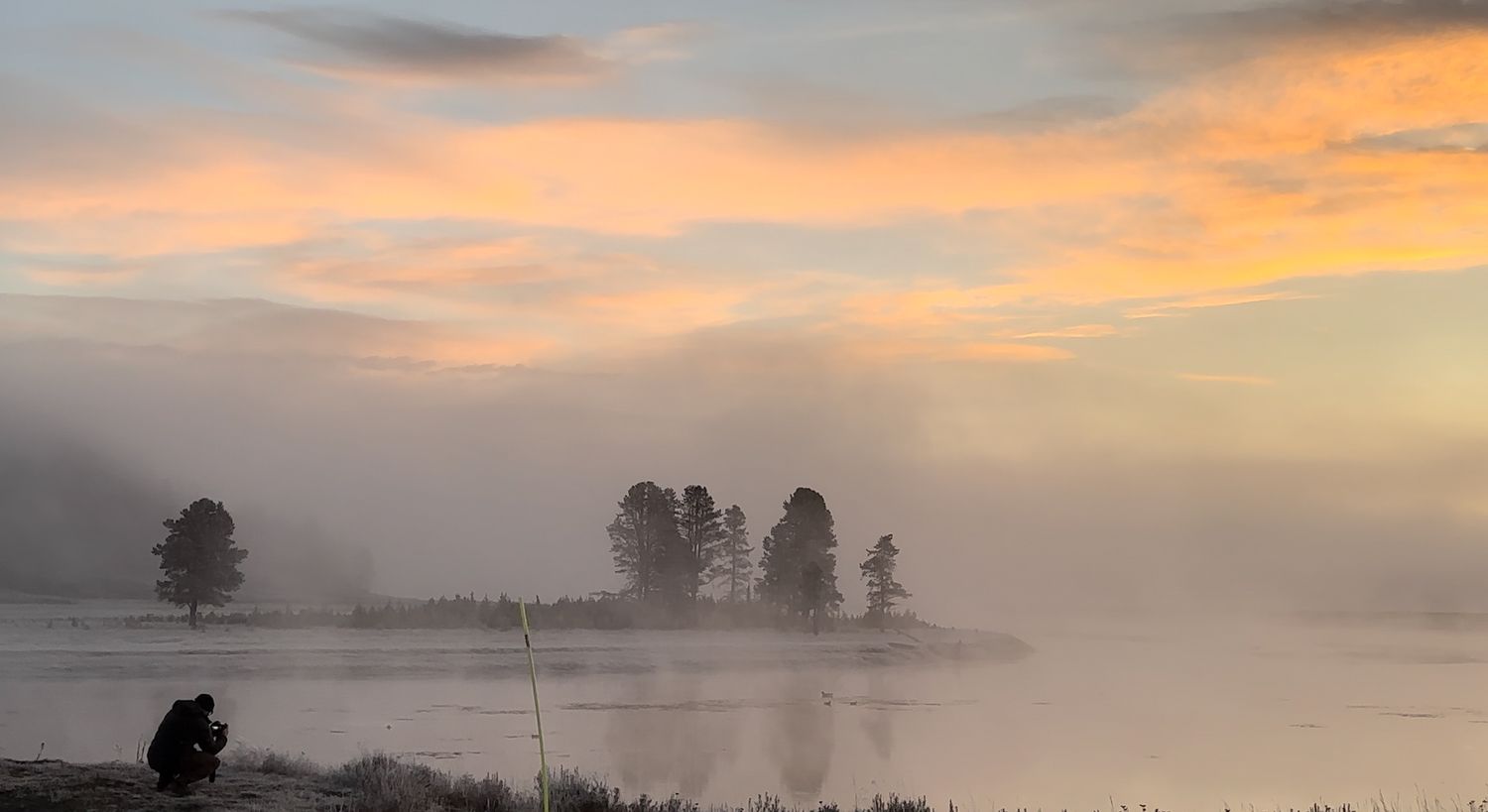
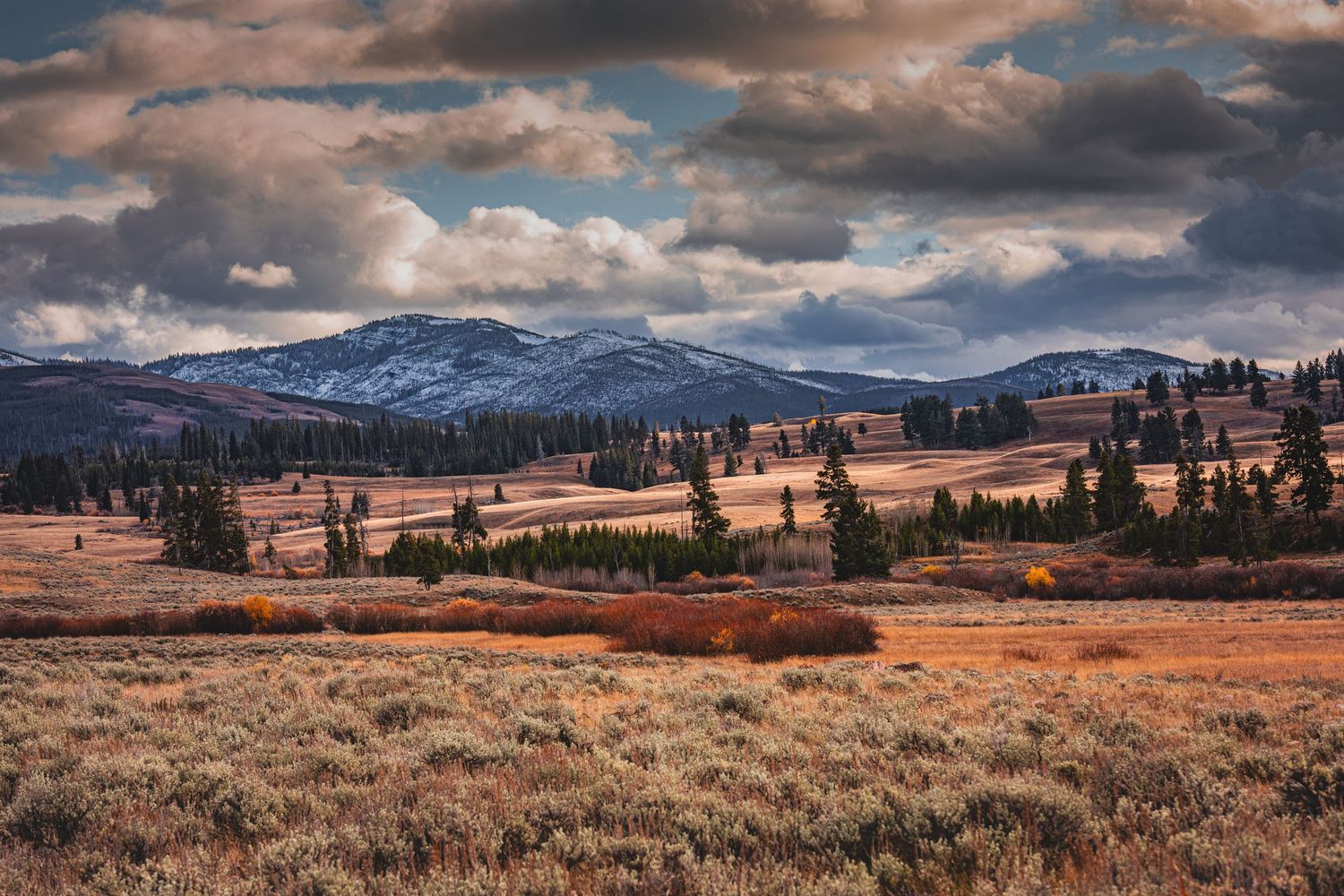
Home to dramatic landscapes, geysers, and a diverse range of wildlife, Yellowstone is a photographer’s paradise. Capture the ethereal steam of Old Faithful, the vibrant colors of Grand Prismatic Spring, or the wild beauty of the Lamar Valley. Wildlife enthusiasts can also find opportunities to photograph bison, elk, and even wolves. The varied terrain ensures that every visit offers something new.
Best Time to Visit: May to October (for wildlife and warmer weather), Winter (for snow landscapes)

2. Grand Teton National Park (Wyoming)
For dramatic mountain landscapes, Grand Teton is hard to beat. The jagged peaks of the Teton Range rise sharply from the valley, offering a majestic backdrop for photos. The Snake River and numerous alpine lakes, such as Jenny Lake and Jackson Lake, reflect the mountains perfectly, especially at sunrise and sunset. Wildlife like moose, bears, and bald eagles also provide great photo opportunities.
Best Time to Visit: Summer and Fall for landscapes, Winter for snow-capped peaks

3. Glacier National Park (Montana)
Glacier National Park, known as the "Crown of the Continent," offers incredible vistas of rugged mountains, pristine lakes, and glacier-carved valleys. Going-to-the-Sun Road provides access to some of the most scenic viewpoints in the park. Early morning is the best time to capture the peaceful, reflective waters of Lake McDonald and the sunrise over the peaks.
Best Time to Visit: Summer (July and August), though early fall also offers spectacular color contrasts

4. Yosemite National Park (California)
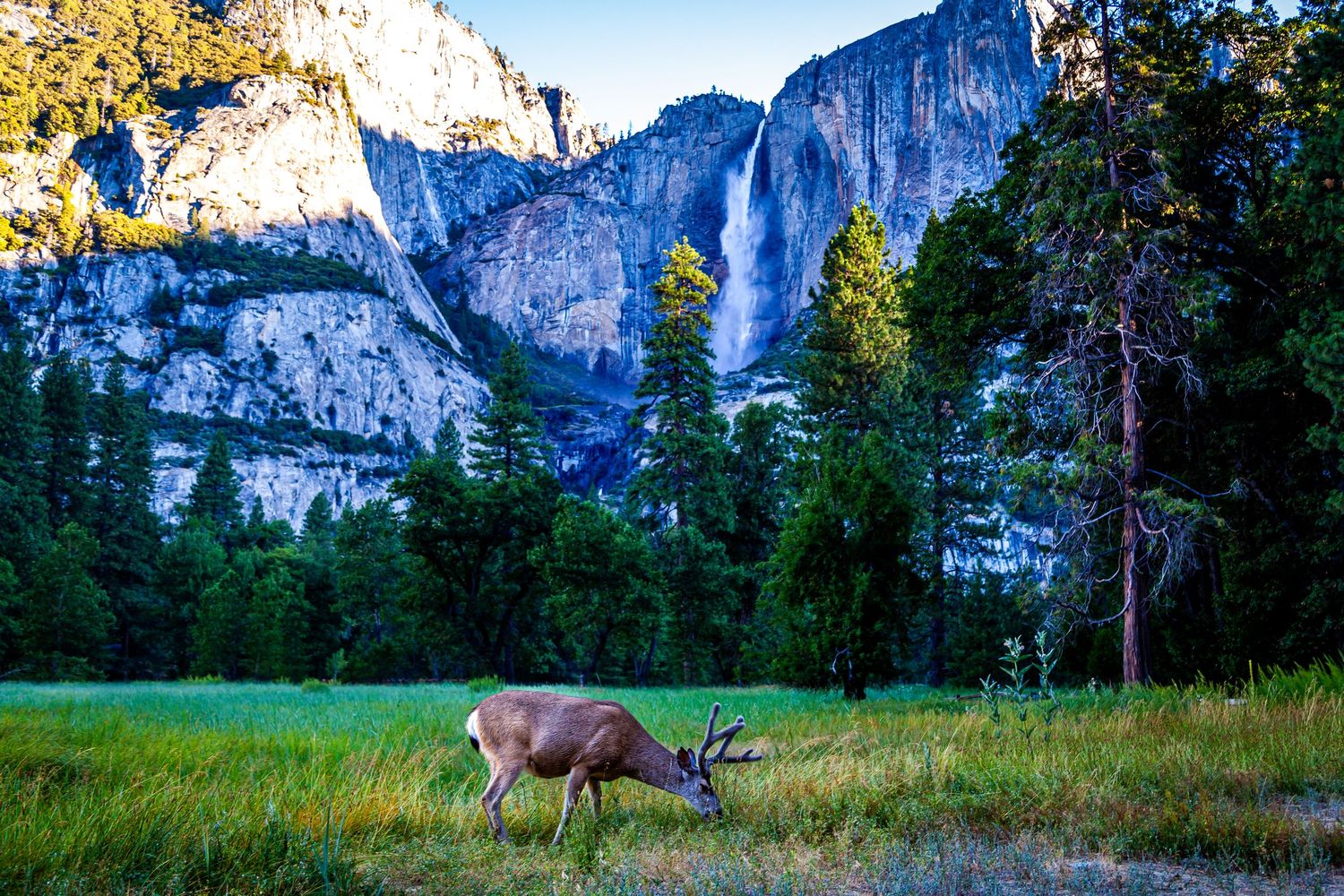
Yosemite’s towering granite cliffs, thundering waterfalls, and giant sequoias are a photographer’s dream. Iconic spots like El Capitan, Half Dome, and Yosemite Falls are world-renowned for their beauty. The changing light throughout the day creates endless opportunities for capturing dynamic images. In the winter, the snow transforms Yosemite into a serene wonderland.
Best Time to Visit: Spring (for waterfalls) and Fall (for crisp skies and fewer crowds)

5. Mount Rainier National Park (Washington)
The iconic snow-capped peak of Mount Rainier dominates the skyline, offering photographers endless opportunities to capture its beauty. From wildflower-filled meadows in the Paradise region to the reflective waters of Reflection Lake, Mount Rainier provides diverse scenery for landscape shots. Hiking to Sunrise or capturing the mountain during the golden hour can result in some of the most dramatic and vibrant images. Don’t forget to photograph the abundant wildlife, including marmots and elk.
Best Time to Visit: Summer (July to August) for wildflowers, Fall for autumn colors, Winter for snow-covered landscapes

6. Zion National Park (Utah)
Zion’s towering red rock formations and deep slot canyons are perfect for dramatic landscape shots. The hike to Angels Landing offers panoramic views that are well worth the effort, while the Narrows provide a unique opportunity to photograph within the canyon itself. The interplay of light and shadow throughout the day gives photographers countless creative options.
Best Time to Visit: Fall and Spring for optimal lighting and colors

7. Arches National Park (Utah)
Arches is famous for its over 2,000 natural sandstone arches, making it a dream location for landscape photographers. The iconic Delicate Arch and Landscape Arch are must-shoots, especially during the golden hours of sunrise and sunset. The contrasting red rocks against the blue desert sky create vibrant, striking images. Don’t forget to try some night photography here – the clear skies make for excellent astrophotography.
Best Time to Visit: Spring and Fall (for milder temperatures and fewer crowds)

8. North Cascades National Park (Washington)
For rugged beauty and untamed wilderness, the North Cascades are hard to beat. Often called the "American Alps," this park offers stunning mountain vistas, dense forests, and turquoise lakes like Diablo Lake. Photographers can capture waterfalls, glaciers, and wildlife in one of the least-visited national parks, offering more solitude for shooting. The dramatic landscapes and changing weather create dynamic and ever-shifting photography conditions.
Best Time to Visit: Summer (July and August), Fall for colorful foliage

9. Banff National Park (Alberta, Canada)
Banff, although located in Canada, is worth mentioning for any nature photographer. With its towering peaks, crystal-clear lakes, and abundant wildlife, Banff offers unparalleled opportunities for landscape and wildlife photography. Lake Louise and Moraine Lake, with their bright turquoise waters surrounded by mountains, are among the most photographed locations in the world. The reflections on these still waters during sunrise or sunset create magical moments for photographers.
Best Time to Visit: Summer (for lakes) and Winter (for snow-covered landscapes)

10. Redwood National and State Parks (California)
If you're after towering trees and a sense of ancient majesty, Redwood National Park offers unparalleled opportunities for forest photography. Capture the awe-inspiring height of the world’s tallest trees, often shrouded in mist, giving your shots a mystical, otherworldly feel. The interplay of light filtering through the dense canopy creates dramatic effects, while coastal views and serene fern-lined trails offer even more variety for landscape photographers.
Best Time to Visit: Spring and Fall for cooler temperatures and vibrant forest colors, though the park is stunning year-round

Tips for National Park Photography:
- Get up early: The light just after sunrise is often soft and golden, and you’ll avoid the crowds.
- Plan for the weather: Research the climate of each park to ensure you're prepared for any conditions.
- Respect nature: Stay on designated trails and maintain a safe distance from wildlife.
- Pack wisely: Bring only what you need, especially for longer hikes. A good tripod and polarizing filters can make a huge difference.
- Be patient: Wildlife photography, in particular, requires waiting for the right moment. Let nature surprise you.
Whether you're after dramatic mountain peaks, coastal views, or a chance to photograph wildlife, these parks offer countless opportunities to capture nature’s beauty. Remember to respect the environment, take only photos, and leave only footprints.